
Phytomem One vs Other Brain Supplements – What’s the Difference?
When people start looking for a brain supplement, they quickly discover that there are dozens of products claiming to support memory, focus, concentration, mental clarity, and overall cognitive wellness. With so many formulas available, it can be difficult to understand what actually makes one product different from another.
👉 Click Here to Check the Latest Phytomem One Offer
👉 Click Here to Learn More About Phytomem One and Its Formula
Phytomem One vs Other Brain Supplements is an interesting comparison because Phytomem One takes a primarily botanical approach, combining ten listed ingredients into a once-daily formula. However, comparing supplements requires more than simply counting ingredients or repeating marketing claims. The type of ingredients, available research, dosage transparency, intended use, and evidence for the finished product all matter.
This guide looks at Phytomem One, its ingredients, its approach to brain and cognitive support, and how it differs from other types of brain supplements.
Important: Dietary supplements are not intended to diagnose, treat, cure, or prevent disease. Research on an individual ingredient does not automatically prove that a finished supplement containing that ingredient will produce the same result.
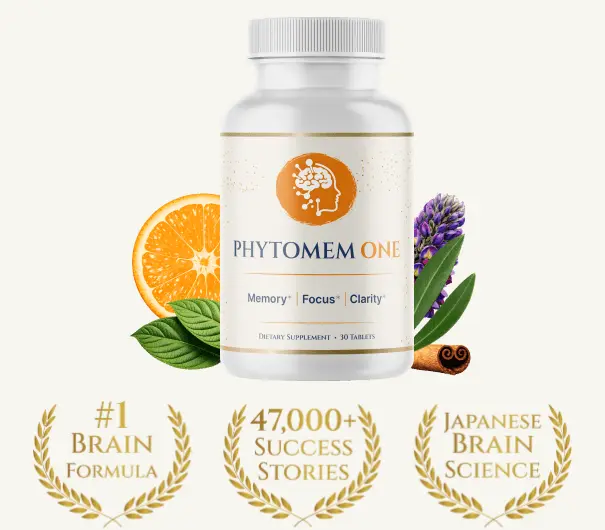
What Is Phytomem One?
Phytomem One is a once-daily botanical dietary supplement marketed for everyday memory, focus, and mental clarity. According to the product’s official website, the formula contains ten listed ingredients, including saffron, fucoxanthin, fucoidan, oleuropein, berberine HCl, Ceylon cinnamon bark, corosolic acid, kudzu flower extract, Morosil red orange extract, and xylitol.
The manufacturer describes the formula as stimulant-free and recommends taking one tablet daily with water, with or without food.
One important detail is that the public product page identifies the ingredients but does not provide an individual milligram amount for each botanical. That makes it difficult to directly compare the amount of each ingredient with doses used in individual scientific studies.
That distinction matters when evaluating any supplement.
Phytomem One Ingredients: What’s Inside?
One of the easiest ways to understand Phytomem One vs Other Brain Supplements is to look at the formula itself.
The listed ingredients are:
- Saffron extract
- Fucoxanthin
- Fucoidan
- Oleuropein
- Berberine HCl
- Ceylon cinnamon bark
- Corosolic acid from banaba leaf
- Kudzu flower extract
- Morosil red orange extract
- Xylitol
The official product information groups these ingredients according to their intended roles in the formula.
Saffron
Researchers have studied saffron for its potential effects on mood and cognitive function. However, results can vary depending on the saffron preparation, dosage, study population, and outcome researchers measure.
Research on saffron alone does not prove that Phytomem One produces the same effects.
Fucoxanthin and Fucoidan
Brown seaweed provides fucoxanthin and fucoidan. Researchers have investigated these compounds for various biological and antioxidant properties.
However, research on an individual compound does not establish the clinical effectiveness of a finished brain supplement containing that compound.
Oleuropein
Olive leaves contain oleuropein, a plant compound that researchers have investigated for antioxidant and metabolic properties.
However, research on oleuropein alone does not demonstrate that Phytomem One produces a particular health outcome.
Berberine
Plants produce berberine, a compound that researchers have extensively studied, particularly for its potential effects on metabolic health and glucose metabolism.
Berberine can affect blood sugar levels. People who take medications or manage a medical condition should therefore discuss berberine-containing supplements with a qualified healthcare professional before using them.
Ceylon Cinnamon
Ceylon cinnamon differs from the more common cassia cinnamon. Researchers have studied cinnamon compounds for potential metabolic effects, but results can vary depending on the preparation, dosage, and specific health outcome researchers examine.
Research on cinnamon does not automatically establish the effectiveness of the complete Phytomem One formula.
Corosolic Acid
Banaba leaves contain corosolic acid, which researchers have studied in connection with glucose metabolism.
However, research on isolated corosolic acid does not establish that the complete Phytomem One formula produces the same effects.
Kudzu Flower Extract
Kudzu provides another botanical ingredient in the formula. Researchers have studied different parts and extracts of the plant for several potential biological effects.
However, researchers need product-specific evidence to determine whether the exact kudzu extract and amount used in Phytomem One produce a particular benefit.
Morosil
Morosil comes from Moro red oranges and provides a standardized citrus extract. Researchers have investigated Morosil and related citrus compounds for potential metabolic and antioxidant properties.
These findings do not automatically demonstrate the effectiveness of the complete Phytomem One formula.
Xylitol
Xylitol is a sugar alcohol that manufacturers commonly use as a sweetener. Unlike the botanical ingredients above, xylitol does not form the primary cognitive-support rationale of the formula.
How Is Phytomem One Different From Other Brain Supplements?
The formulation approach provides one of the clearest ways to compare Phytomem One vs Other Brain Supplements.
Many brain supplements combine ingredients that manufacturers commonly associate with nootropic or cognitive-support formulas. Depending on the product, these formulas may contain caffeine, L-theanine, bacopa, ginkgo, phosphatidylserine, or other compounds.
Phytomem One takes a broader botanical approach. Its formula combines ingredients that researchers have studied in areas such as cognitive function, antioxidant activity, and metabolic health.
Therefore, Phytomem One vs Other Brain Supplements involves more than simply counting ingredients. A meaningful comparison should examine the ingredients, their amounts, the reason manufacturers selected them, and the evidence available for the complete finished product.
Phytomem One vs Traditional Nootropic Supplements
Traditional nootropic supplements can take very different approaches.
Some formulas emphasize alertness and concentration. Others focus on memory or long-term cognitive wellness. Some contain stimulants, while others avoid them.
The manufacturer describes Phytomem One as stimulant-free and markets the formula around memory support, focus, and mental clarity.
People who prefer a non-stimulant botanical approach may therefore see a meaningful formulation difference between Phytomem One and supplements built primarily around caffeine or other stimulating ingredients.
However, a different formula does not automatically make one product better than another.
The most relevant comparison depends on a person’s goals, ingredient preferences, tolerance, health circumstances, and the evidence available for the specific product.
Does Phytomem One Have Clinical Research Behind It?
Clinical evidence represents one of the most important factors when evaluating Phytomem One vs Other Brain Supplements.
Researchers have studied several individual ingredients in the formula. For example, scientific studies have examined saffron and berberine for different health-related outcomes.
However, consumers should make an important distinction:
Research on an individual ingredient does not equal a clinical trial of Phytomem One itself.
The publicly available information reviewed for this article does not identify a published clinical trial that evaluates the complete Phytomem One formulation as a finished product.
Therefore, you should not take a study involving one ingredient and present it as proof that the entire supplement works.
This principle applies to many dietary supplements: researchers can establish evidence for individual ingredients without establishing the same evidence for every finished product that contains them.
The Dosage Question
Another important consideration is dosage transparency.
The official product page lists the ten ingredients but does not publish the individual amount of each ingredient in the formula.
Why does this matter?
Suppose a scientific study examines a particular ingredient at a specific dose. If you don’t know how much of that ingredient is present in a finished supplement, you cannot confidently determine whether the product provides the same amount used in that study.
This does not automatically mean that a supplement is ineffective. It simply means there is a limitation when attempting to make a direct evidence-to-product comparison.
For consumers, this is one of the most useful questions to ask when comparing Phytomem One vs Other Brain Supplements:
Does the product disclose enough information to understand exactly how much of each active ingredient you’re getting?
Phytomem One Benefits: What Does It Claim to Support?
According to the manufacturer, Phytomem One is designed to support:
- Everyday memory
- Focus
- Mental clarity
- Cognitive wellness
The official website specifically positions the formula around these areas.
However, consumers should distinguish between support claims and proven medical outcomes.
A supplement should not be presented as a treatment for Alzheimer’s disease, dementia, memory disorders, or other medical conditions unless appropriate clinical evidence and regulatory authorization support such a claim.
If someone is experiencing persistent or worsening memory problems, relying on a supplement instead of obtaining an appropriate medical evaluation could delay useful care.
Phytomem One Side Effects and Safety
Another important part of a fair Phytomem One comparison is safety.
“Natural” does not automatically mean “risk-free.” Botanical ingredients can have biological effects and may interact with medications.
For example, berberine has been studied for effects related to glucose metabolism. Cinnamon and other ingredients may also have physiological effects.
Anyone who:
- Takes prescription medication
- Has diabetes or blood-sugar concerns
- Has a diagnosed medical condition
- Is pregnant or breastfeeding
- Is preparing for surgery
- Has concerns about possible supplement interactions
should speak with a qualified healthcare professional before starting a new supplement.
There is currently no published clinical trial establishing a comprehensive side-effect profile for the complete Phytomem One formulation.
Therefore, claims that a supplement is completely free of possible side effects should be treated cautiously.
How Long Does Phytomem One Take to Work?
There is no scientifically established guaranteed timeframe for when the complete Phytomem One formula should produce noticeable effects.
The official site itself states that there is no guaranteed timeline and that individual responses can vary.
This is important because supplement marketing sometimes creates unrealistic expectations.
A responsible approach is to avoid promising that someone will experience improved memory or focus within a particular number of days.
Sleep, diet, stress, exercise, medications, age, existing health conditions, and many other factors can influence how a person feels cognitively.
Phytomem One vs Other Brain Supplements: A Simple Comparison
Here is a practical way to understand the differences:
| Feature | Phytomem One | Other Brain Supplements |
|---|---|---|
| Formula style | Botanical blend | Varies widely |
| Listed ingredients | 10 | Depends on product |
| Stimulant-free positioning | Yes, according to manufacturer | Depends on product |
| Primary positioning | Memory, focus, mental clarity | Depends on formula |
| Botanical ingredients | Yes | Some do, some don’t |
| Individual ingredient doses publicly listed | Not on the official product page | Varies |
| Clinical trial on complete formula | No published trial identified | Varies by product |
| Daily serving | One tablet | Depends on product |
| Evidence | Individual ingredients have research; finished formula evidence is limited | Depends on specific product |
This table shows why there isn’t a simple universal answer when comparing brain supplements.
Is Phytomem One Worth Considering?
Whether someone wants to consider Phytomem One depends on what they are looking for.
Someone interested in a stimulant-free, botanical-focused supplement may find the formulation interesting.
On the other hand, someone who prioritizes detailed dose transparency or wants clinical research specifically conducted on the finished product may consider the lack of a published complete-formula trial and individual ingredient dosages an important limitation.
The key is to evaluate the product based on evidence rather than marketing language.
When considering Phytomem One vs Other Brain Supplements, ask:
- What ingredients are included?
- Are the individual doses disclosed?
- What research exists on each ingredient?
- Is there research on the finished product?
- Are there potential medication interactions?
- Does the product make realistic claims?
- Is there a clear refund policy?
- Is the purchase information transparent?
These questions can help consumers make a more informed decision.
Phytomem One Price and Guarantee
According to the official website currently available in September 2026, Phytomem One is offered in several package sizes.
The listed prices are:
- 1 bottle: $79 plus a small shipping fee
- 3 bottles: $59 per bottle
- 6 bottles: $49 per bottle
The official site states that the three- and six-bottle packages include free U.S. shipping and that purchases are protected by a 60-day money-back guarantee. Prices can change, so buyers should verify the current checkout price before ordering.
The larger packages have a lower listed cost per bottle, but buying more also means spending more money upfront. A lower per-bottle price should therefore not automatically be interpreted as better value for every consumer.
Conclusion
The biggest takeaway from Phytomem One vs Other Brain Supplements is that the comparison should go beyond the number of ingredients listed on a label.
Phytomem One uses a ten-ingredient botanical formula that includes saffron, seaweed-derived compounds, olive leaf-derived oleuropein, berberine, Ceylon cinnamon, corosolic acid, kudzu, Morosil, and xylitol. The manufacturer positions the product for everyday memory, focus, and mental clarity.
Several individual ingredients have scientific research behind them, but that should not be confused with clinical evidence proving the complete Phytomem One formula works. A published clinical trial on the finished product has not been identified in the publicly available information reviewed for this article.
The lack of individual ingredient dosages on the public product page is another factor worth considering because it prevents consumers from directly comparing the formula’s amounts with doses used in individual studies.
Ultimately, the most responsible way to evaluate a brain supplement is to look at the complete picture: ingredients, evidence, dosage transparency, safety considerations, cost, and the quality of the claims being made.
Rather than assuming that one supplement is automatically superior to every other option, consumers can use these factors to decide which type of formula best fits their own needs and circumstances.
Frequently Asked Questions
What is Phytomem One?
Phytomem One is a once-daily botanical dietary supplement marketed to support everyday memory, focus, and mental clarity. Its listed formula contains ten ingredients.
What are the main Phytomem One ingredients?
The formula lists saffron, fucoxanthin, fucoidan, oleuropein, berberine HCl, Ceylon cinnamon bark, corosolic acid, kudzu flower extract, Morosil red orange extract, and xylitol.
Is Phytomem One a stimulant?
The manufacturer describes Phytomem One as stimulant-free.
Does Phytomem One have clinical trials?
A published clinical trial evaluating the complete Phytomem One formulation was not identified in the publicly available information reviewed for this article. Some individual ingredients have been studied separately.
Does Phytomem One disclose ingredient amounts?
The official product page lists the ingredients but does not provide an individual milligram amount for each ingredient.
Can Phytomem One replace medical treatment for memory problems?
No. A dietary supplement should not be used as a substitute for professional evaluation or treatment of a diagnosed medical condition.
Where can Phytomem One be purchased?
The official website currently states that the product is sold through its official online store.